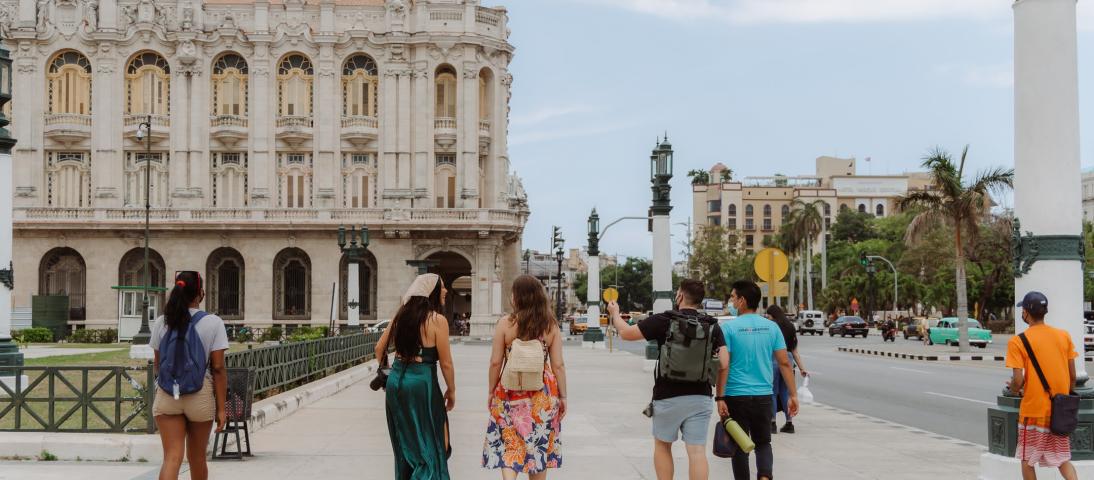
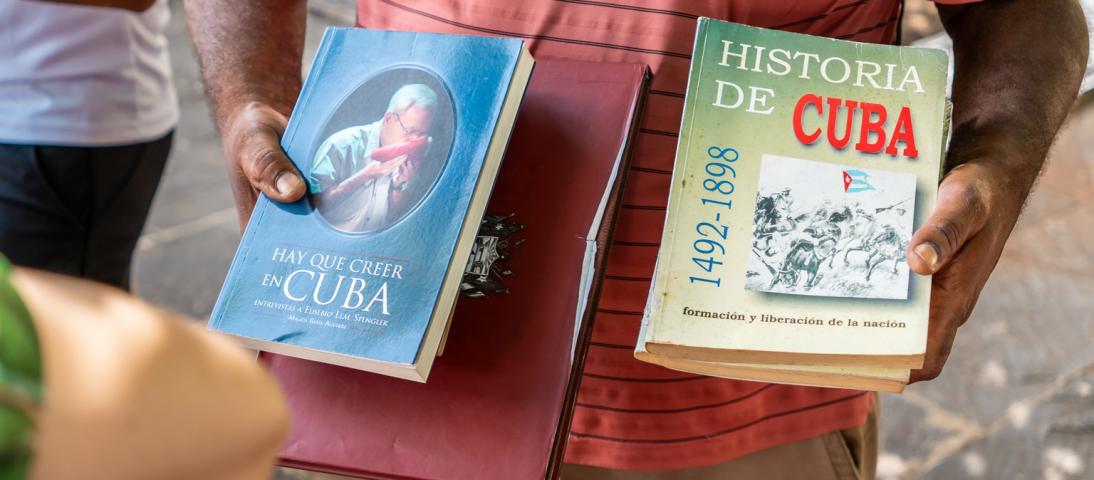
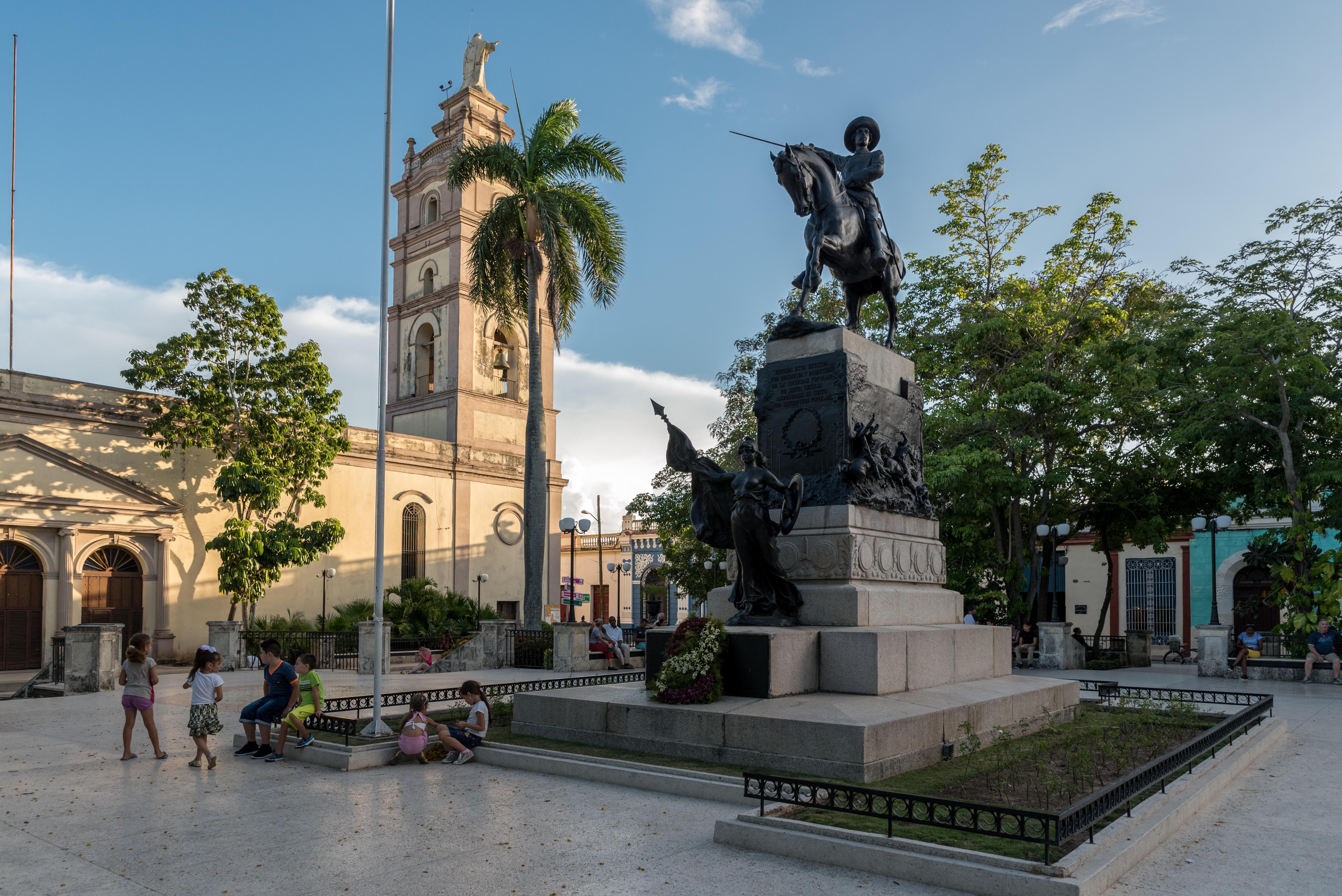
Being prepared for your trip to Cuba means being able to enjoy the experience anxiety free
Our practical guide to currency, internet in Cuba, lifestyle and more
Travelling to a new country can be daunting, especially for first-time visitors. That’s why finding out about basics, such as local culture, currency and technology, before you arrive can help make your experience much more enjoyable. For your first time in Cuba, learn how to manage finances, stay healthy, navigate the airport, connect to the internet and settle into your accommodation. For a worry-free, memorable journey, our guide outlines six essential steps to prepare for a trip to Cuba.
Six ways to prepare for your visit to Cuba before you arrive
You’ve probably already heard about Cuba’s classic cars, rhythmic music, cigars and colourful history. But Cuba is so much more than the attractions everyone knows about, so take a deep dive, know before you go, and make the most of your visit!
1. Managing money, tipping and daily budgets
Planning to exchange currency, use cash, and learn about tipping customs in Cuba will help you avoid money issues during your trip.
Paying with cash versus debit and credit cards
Be prepared to pay for most transactions in cash. Many businesses in Cuba accept US dollars and euros, but not coins. ATMs are unreliable and not widely available. Many credit cards are not accepted, and US credit and debit cards aren’t integrated with Cuban banks.
Local currency and exchange rates
Before paying with US dollars or euros, check the exchange rate, which varies by business. Regardless of the currency used, you will likely receive Cuban pesos (CUP) in change. We recommend spending them before you leave, as you can’t exchange them overseas. Although Cuba accepts US dollars and euros, you may want to convert cash into CUP for everyday expenses and to avoid unfavourable exchange rates. Consider these five tips for navigating currency in Cuba.
When and how much to tip
Tipping is generally expected for meals, bathroom attendants, musicians and excursions in Cuban culture, unless you receive poor service. We recommend paying local guides US$2-5 per person for activities and outings. Bring small bills and ask your tour guide if you’re unsure how much is appropriate.
Estimated daily budget
Budget around US$80-100 per day for food, taxis, souvenirs and activities, less if the tour or excursion price includes meals and outings. Taxis cost US$25-35 each way to and from Havana airport, and from US$5-20 for rides within the city. Dining out is relatively inexpensive, with pricier meals ranging from US$25-50. To comply with US regulations, US travellers must track and document all expenses, including receipts for accommodation, transport, food and activities.
Keeping your money safe
Only bring enough cash for the day and secure the rest in a protected place at your accommodation. Ensure wallets and money belts are close to your body and well-concealed.
2. Plan ahead for a healthy journey
Before entering Cuba, learn about health precautions, and vaccination and insurance requirements and stay healthy on your trip.
Purchasing medical coverage
All visitors must have proof of medical insurance for Cuba. All US carriers flying directly to Cuba from the US automatically include this in the ticket price, and the charge can be viewed on your itemised airline receipt. Coverage can also be purchased through Seguros Internacionales de Cuba, S.A. (ESICUBA), with in-country assistance managed by Asistur S.A. Purchase Asistur through Cuban Adventures for direct access to local institutions, so you won’t need to contact outside providers.
Requirements for yellow fever-risk areas
If you’re travelling from or through yellow fever-risk areas, such as countries in Africa or South and Central America, you must provide a valid vaccination certificate. Without certification, you may be denied entry or quarantined.
Be aware of insect-borne illnesses
Speak to your doctor about health precautions when in Cuba. These may include using vaccinations, insect repellents and protective clothing to reduce the risk of diseases carried by mosquitoes and flies, such as dengue, chikungunya or Zika virus. If pregnant or planning pregnancy, visit your doctor at least six weeks before travelling to discuss risks and safety measures.
Personal medications
Cuba has highly trained healthcare providers and reputable care facilities, but medical supplies and pharmaceutical products are not widely available. We recommend bringing everything you’ll need for your trip with you.
Bringing medicine and other products into Cuba
For adults aged 18 and over, limited amounts of personal medications, hygiene products and factory-packaged food are allowed into Cuba without paying customs tax. All items must be in their original packaging, and valid prescriptions are required for controlled substances. Pack items together for easy inspection.
Donations and medical supplies
Cuban Adventures works with Give2Cuba and the Cuban Institute of Friendship with Peoples (ICAP) to distribute donations, such as over-the-counter drugs and medical supplies. If you’d like to contribute, ask your tour leader about the best way to donate.
3. Phone and internet access
Decide how you’ll stay connected and safe online while in Cuba by considering the available options before your trip.
Purchase local SIM cards in advance
Purchase Cubacel Tur physical SIM card packages for travellers through the Suena Cuba website for US$14-35. Suena Cuba also offers an eSIM data-only plan. Other popular eSIM providers include GigSky, GlobalESim and Yesmin.
Connecting to Wi-Fi
While access to the internet in Cuba can be slow and unreliable, Wi-Fi is available at locations including hotels, restaurants and accommodation. Non-customers can purchase Wi-Fi at some lodgings.
Protect your privacy with a VPN
Consider downloading and installing a VPN before your trip to help reduce access restrictions, improve connection stability and protect privacy, especially when using public Wi-Fi.
Using apps in Cuba
Before you arrive, download WhatsApp, which is widely used for communication in Cuba. The Maps.me app gives more accurate directions than Google Maps. Basic social media apps and YouTube work well when pre-installed. Some apps, like Netflix, do not work or are unreliable.
Learning about Cuban culture before you arrive will add to your enjoyment
4. Learn about Cuban culture
Community, spiritual traditions and a close relationship with the natural world shape daily life in Cuba. When you get there, listen, observe and ask questions to gain more insights into Cuban culture. Until then, here’s what you need to know.
Cuban hospitality and spirituality
Family and community are important in everyday life, and Cubans are known for showing warmth and kindness to visitors. Spiritual practices drawn from African and Spanish heritage, in particular the Afro-Cuban religion Santería, are woven into the culture.
Reverence for nature
Cubans are deeply connected to the natural world. Rivers, forests and other features of the landscape are respected and considered sacred. Learn about how the Cuban connection to nature is considered important to a healthy, happy life.
Lifestyle and infrastructure
Many Cubans live on limited incomes, so you may be asked for donations, including money, food, clothing or medication. Lack of government funding means buildings and streets are generally in poor condition, often requiring maintenance. Talk to your tour leader or contact us if you have any concerns.
Engage with the Cuban community
Talking directly to locals is one of the best ways to learn about Cuban culture. Many Cubans speak English and enjoy connecting with visitors. Get their perspective on how Cuba’s recent history has affected their lifestyle.
Enjoy a relaxed pace of life in Cuba
During your visit, services and conveniences you’re used to may change or become unavailable, sometimes with little warning. Approach these challenges with patience and adaptability, and you’ll enjoy discovering one of the Caribbean’s most popular destinations.
Electricity and power supply
You may experience power outages during your trip, though they are less common in Havana. Old Havana has a relatively consistent power supply compared to other parts of the city. Most accommodation has generators, which can power fans during an outage, but not air conditioners.
5. Navigating the airport and settling in
Once you arrive, make your first hours in Cuba more enjoyable by learning about airport procedures, meeting your Cuban Adventures representative, and what to do after checking into your accommodation. We recommend saving a copy of your welcome email with instructions and contact details in an easily accessible place.
Customs and baggage claim
José Martí International Airport (HAV) in Havana is the main gateway into Cuba. As Cuba’s busiest airport, passport control, retrieving your luggage and getting through customs may take time.
Accessing Wi-Fi and using your phone
To use your phone in Cuba, ensure it is unlocked and supports 3G or 4G. Upon arrival, pick up your pre-ordered SIM card, purchase one at the Cubacel Tur stand in Terminals 2 and 3, or visit an Empresa de Telecomunicaciones de Cuba S.A. (ETECSA) office in Havana. Access 30 minutes of free Wi-Fi after passport control by entering your passport number.
Find your tour agent
Our Cuban Adventures representative or driver will greet you at the airport and take you to your accommodation. Proceed directly to Gate D10 in Terminal 3 and look for a sign with the company logo. If the agent has not yet arrived, please wait at the designated location. If you are arriving at Terminal 2, look for our representative once you exit the terminal. Save the contact details from your welcome email so you can reach us when you arrive if needed.
Checking into your accommodation
Your Cuban Adventures driver will take you directly to your casa particular homestay from the airport. If you have booked a multi-day tour with us, look for a note from your tour leader with the time of your welcome meeting after checking in.
Dining options on arrival
After settling in, ask your host to recommend nearby restaurants. With all Cuban Adventures tours, breakfast is provided daily at your lodging, except on the day of arrival.
6. Take basic safety precautions while in Cuba
Cuba is generally safe for visitors, with low violent crime rates and strong law enforcement. However, as with travel in any foreign country, considering your health and safety at all times will help ensure your trip is risk-free and enjoyable.
Transport and solo exploration
Book taxis through your accommodation, tour leader or guide for reliable service. Avoid unlit streets at night and stay in public places when venturing out on your own.
Emergency contact numbers
The general emergency contact number in Cuba for police, fire and medical is 106, equivalent to 911 in the US or 000 in Australia. Call the fire department directly at 105 and the ambulance service at 104. Refer to your welcome email if you need to contact us directly.
Hot sun and warm people, Cuba is always worth it!
Plan for a smooth and rewarding Cuban vacation
Now you know how to prepare for a trip to Cuba, you’ll feel more confident, whether arranging medical coverage, learning about local culture, budgeting for daily expenses or enjoying that famous Cuban hospitality. Once there, curiosity, patience and adaptability will help you focus on enjoying the lively city streets, tranquil natural beauty and slower daily rhythm. When you choose to travel with us, get the most out of your experience with our knowledgeable guides and local tour leaders. Browse our range of Cuba tour packages and start planning your adventure today.
Compartilhar
Author: Cuban Adventures
Our passion is providing authentic cultural experiences of Cuba through our award-winning small group tours. We dedicate ourselves exclusively to Cuba, which means we are truly specialised in this unique country.
Uncover more Cuba travel inspiration in our blog
If you’ve been dreaming of Cuba and want to learn more about this fascinating country before your trip, read our blog for a complete Cuban travel guide with tips and local insights.
Descubra as 9 melhores cidades cubanas para visitar: história vibrante, praias paradisíacas, música envolvente e cultura autêntica em cada esquina da ilha. Conheça os destinos turísticos mais populares em Cuba de Havana a Viñales, Trinidad e Varadero.
Siga estas instruções passo a passo para obter o código QR do programa Cuba D’Viajeros, necessário para entrar em Cuba. Preencher o formulário D’Viajeros antes de viajar é um requisito para entrar em Cuba.
Um dos aspectos mais cativantes de Cuba é sua história fascinante, que os viajantes devem estudar para melhor apreciar o país. Aqui estão cinco das figuras mais importantes e queridas da história cubana.
Valorizamos sua privacidade. Usamos cookies e tecnologias semelhantes para melhorar sua experiência e analisar o tráfego do site. Ao navegar em nosso site, você concorda com o uso de cookies.