True to their African and Latino heritage, Cubans have fun in their veins. It´s something so natural that sometimes neighborhood parties arise spontaneously without an occasion, so it´s easy to imagine what happens when they really have a reason to celebrate, especially when all of Cuba participates at the same time. New Year's in Cuba is when the island exudes an atmosphere of joy that is contagious even to visitors. However, the way in which Cubans welcome the year ahead is not only marked by music and dance, as some suppose. Behind this momentous day on the calendar lie history, tradition, religion, superstition, and even politics.
New Years is a Revolutionary Holiday
Unlike our northern neighbors, in Cuba, Christmas Day is not as important or widely celebrated as New Year’s because the intention of the new state was to erase everything that had been part of the bourgeois past, including Christmas. New Year’s is a different story, owing to the fact that in the early hours of January 1st 1959, Fulgencio Batista resigned as Cuba’s president and fled the island, thus ceding control of Cuba to Fidel’s revolutionary government. Part of the new government's propaganda was conveniently based on associating the New Year celebrations with the official anniversary of the Cuban Revolution. The political strategy couldn´t have been better. While Christmas traditions faded away during the decades of anti-Santa sentiment, the parties on December 31st and January 1st were those that Cuban’s eagerly anticipated at the end of the year.
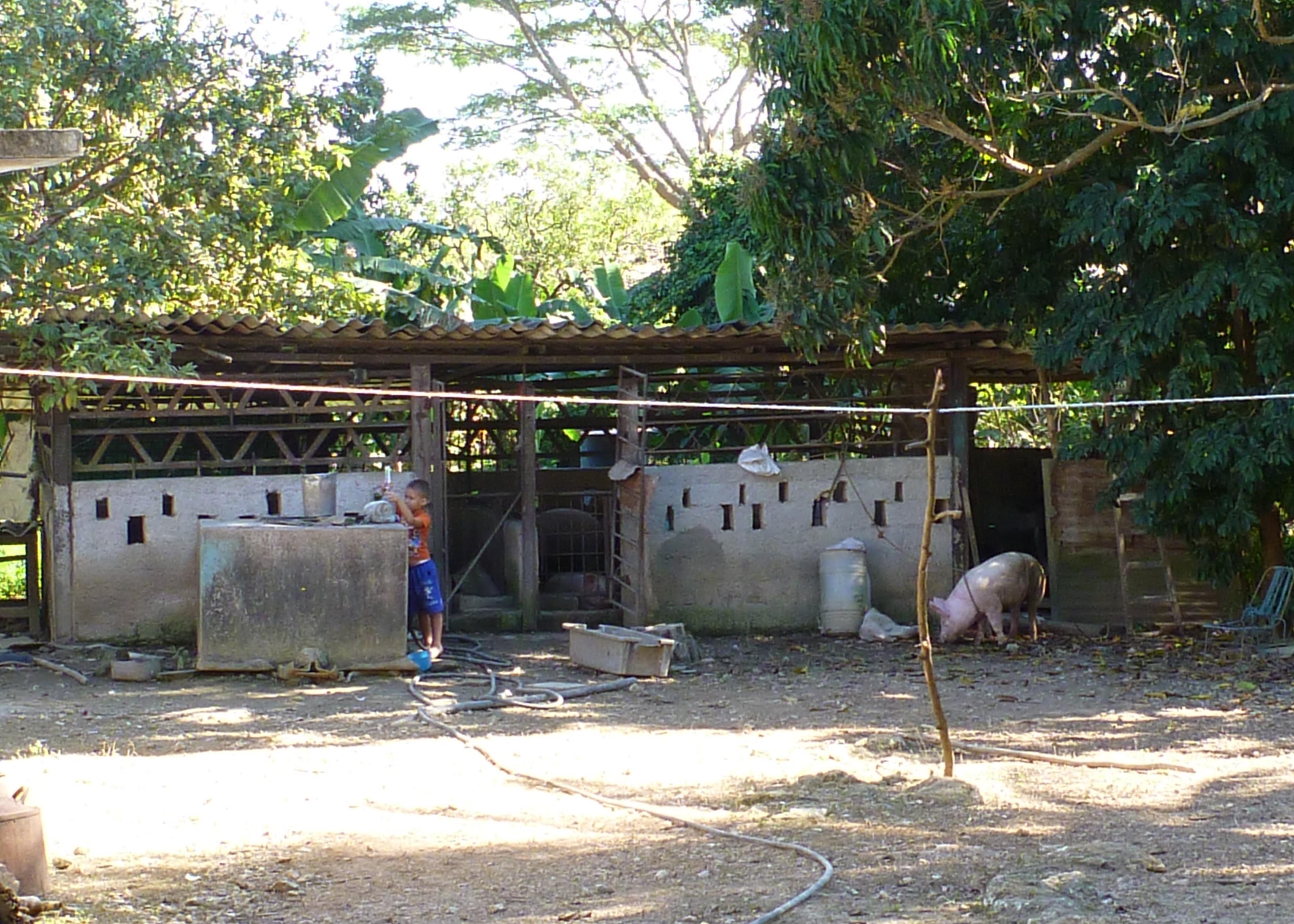
New Year’s Eve means a visit to the farm to buy fresh pork.
The Traditional Cuban New Year’s Eve Feast
People say in Cuba that "love and good things enter through the kitchen", so on December 31st, you cannot miss a good Creole meal. The main dish is roasted pork, or as we say lechón, though due to the current crisis, this traditional food is a rare luxury in homes. Despite its high price, many people sacrifice part of their savings to obtain it, because 31st without lechón is like a beach without sand. The wealthiest families allow themselves to sacrifice a whole pig, the humblest are satisfied with having at least a little piece of meat for the last dinner of the year. Some are more fortunate than others, but in the end they are all survivors in a country where the need is growing.
In the cities, lechón is generally made in an oven or in a casserole dish. Those from the countryside traditionally roast the meat outdoors on a spike or by placing it on an improvised grill that is kept hot with charcoal mixed with branches and guava leaves. In the latter case, the suckling pig is sprinkled with mojo, which is a dressing made with sour orange juice, butter and garlic. The mojo sauce and the smoked leaves infuse the meat with a juiciness and a unique flavor.
In addition to pork there are the necessary side dishes that make up the traditional menu. The first is congrí or its variant Moros y Cristianos (Moors and Christians); rice is an essential element of a Cuban meal. It is followed by cassava root with mojo, which is planted in June so that it is unbeatable in December. The fried plantains are also essential, as is the abundant lettuce and tomato salad. To complete the festive meal, one must have homemade Cuban desserts or "grandma's sweets". Common desserts include fritters with syrup, orange candy, flan, coconut candy and torrejas (French toast). In short, there is nothing more to demand from a banquet in which everyone ends up licking their fingers. Well, maybe there is something to object to: Cuban food is delicious but not too healthy.
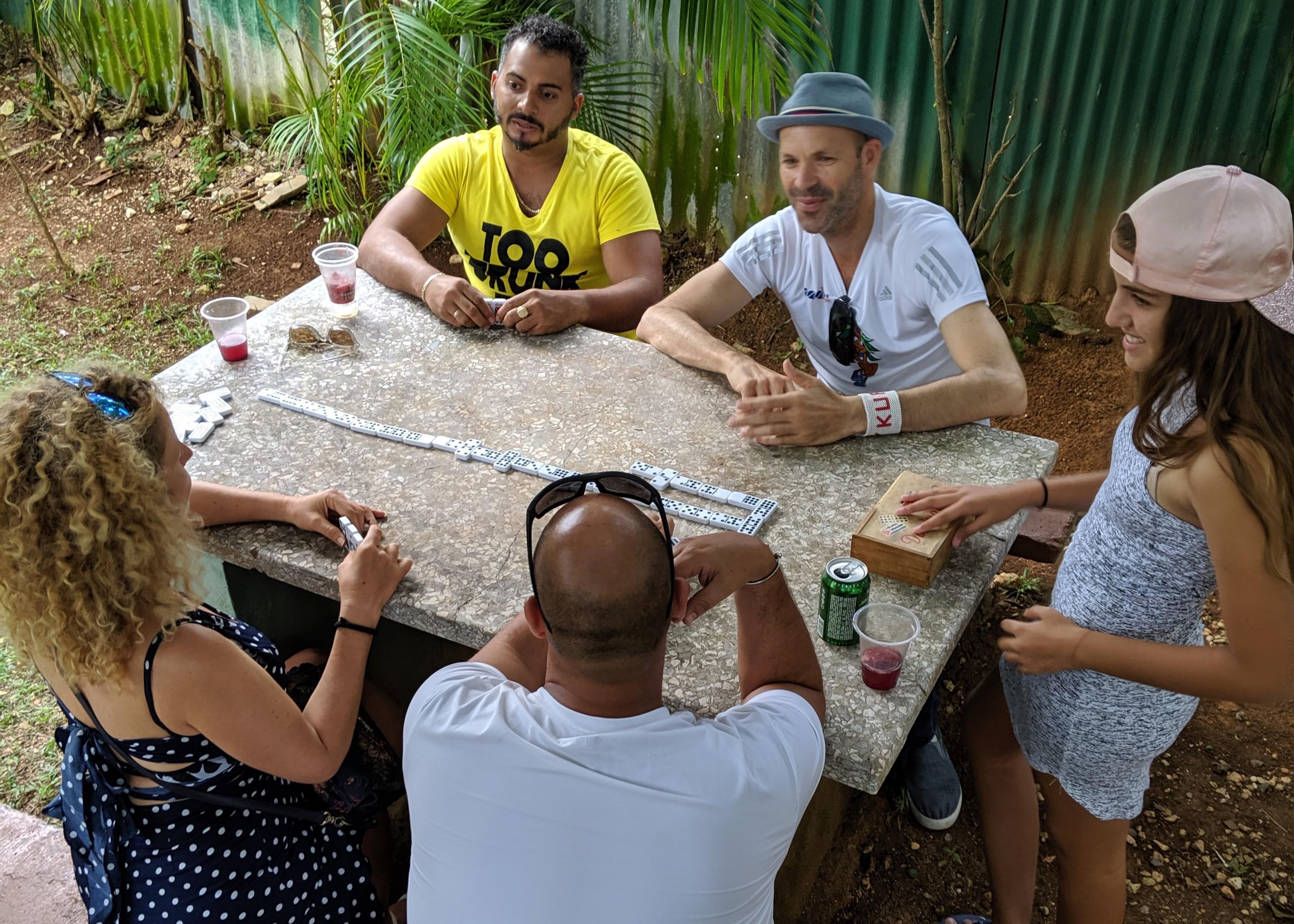
Preparing dinner for that day is a very enjoyable process, even though it´s still quite exhausting. You have to start early on the morning of the 31st, especially those who sacrifice the pig that day to roast it whole. The day progresses alternating cooking with rum, beer and dominoes so that the cooking becomes part of the celebration. To counteract the effects of alcohol and get sober at night, it is best to snack on pork rinds and tamales.
Bittersweet Family Celebrations
December 31st is also one of the many occasions when the whole family takes the opportunity to meet and share experiences. Several generations commonly live in the same house, given how difficult it is to acquire a home, and on that day, the rest of the relatives and friends join them. Family ties are so close that the actual relationships blur; the cousins are siblings, the aunts and uncles are second parents, but the Cuban grandmothers are always venerated as the matriarchs whose word is law.
The Cuban family is one familiar with great loss, which is why gatherings have that inevitable dose of sadness and nostalgia. No end-of-year party is without occasional tears, a longing to reunite with loved ones who left the country in search of a better future, or remembering those who are no longer among the living. They laugh, cry, and dance the way to midnight with everyone present, whether physically or spiritually. Walking through the streets on New Year’s Eve, you’ll hear the loud music, from salsa to reggaeton to traditional Cuban folk music, coming out of the houses to transform the neighborhood into a giant mix of sounds.
When midnight arrives, they kiss, hug, wish each other prosperity and good health. A bottle of cider reserved for the occasion is uncorked and a toast is made. It´s also time to make a wish and be thankful for the good things that happened, hoping that the bad will not happen again.
It’s not a Cuban party without Dominos
Afro-Cuban Traditions for the New Year
Beyond the familiar, there are other traditions that Cubans maintain every year-end. Some have been born of superstition and religious beliefs and have also become expressions of identity. For example, in most Cuban houses, cleaning is done with plenty of water on the last day of the year. It happens in the morning and is done to eliminate bad energy and bad thoughts. This ritual comes from the Yoruba religion whose devotees in Cuba number in the millions.
There are also people who wear red underwear to attract love. Others buy clothes and shoes to wear specifically for the New Year’s Eve party, to attract material prosperity in the coming year. In the countryside, women wear white, and men wear the distinctive Cuban shirt called guayabera, which must also be white. In the city, at 12 am, the neighbors greet each other with the nice phrase “I haven't seen you since last year” when in truth they are bored of seeing each other's faces every day.
In keeping with African beliefs, there are those refuse to go out on the streets at midnight on New Year's Eve. According to what they say, Ikú, the god of death, at that moment makes his annual rounds in search of some unfortunate person. Hardly anyone dies for that reason. Whoever comes out will still be alive but most likely will receive an unexpected bath of cold water because at that time people throw a lot of water out of doors, windows and balconies into the street no matter who they get wet. The idea is that the water takes all the negative things with it, but I suspect the real intention is to surprise some clueless person. Something much more serious is to light candles and dedicate new year prayers to the saints revered in the houses, so that they light the way with good fortune.
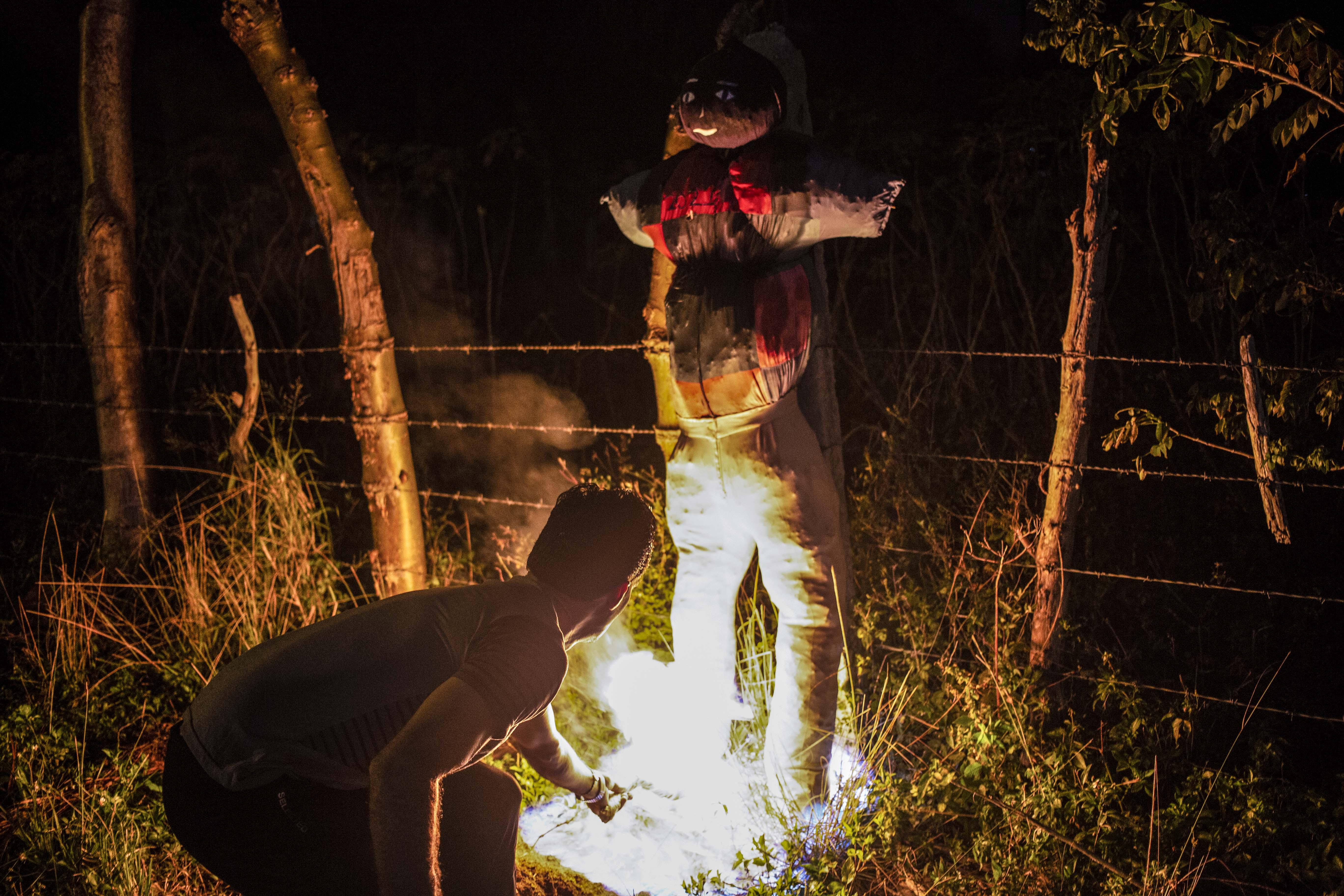
The traditional burning of the muñeco on New Year’s Eve. Photo credit: Ariel Ley
More Cuban New Year’s Eve Traditions
Another fun midnight tradition is to burn the muñeco (doll). Years ago, it was done only in the countryside, but now it is normal to see it also in the cities. The process consists of making a human-sized doll days in advance. It´s stuffed with useless fabrics and dressed in used clothes. Afterwards, each one introduces a strip of paper where they have written what they want to forget or eliminate from their life. Finally, a sign with the number of the year that is ending is hung on the doll and then set on fire. The origin of this practice is associated with the Catholic Church and the burning of Judas during Glory Saturday in Holy Week. In the center of Cuba, same thing is done in June during the San Juan festivities to represent the act of betrayal of Jesus Christ.
Finally, shortly after midnight the classic walk around the block takes place carrying a travel suitcase. It is a superstitious way of attracting luck to leave the country, which confirms once again the eternal aspiration of the Cuban to see the world or at least find a more prosperous life in other horizons.
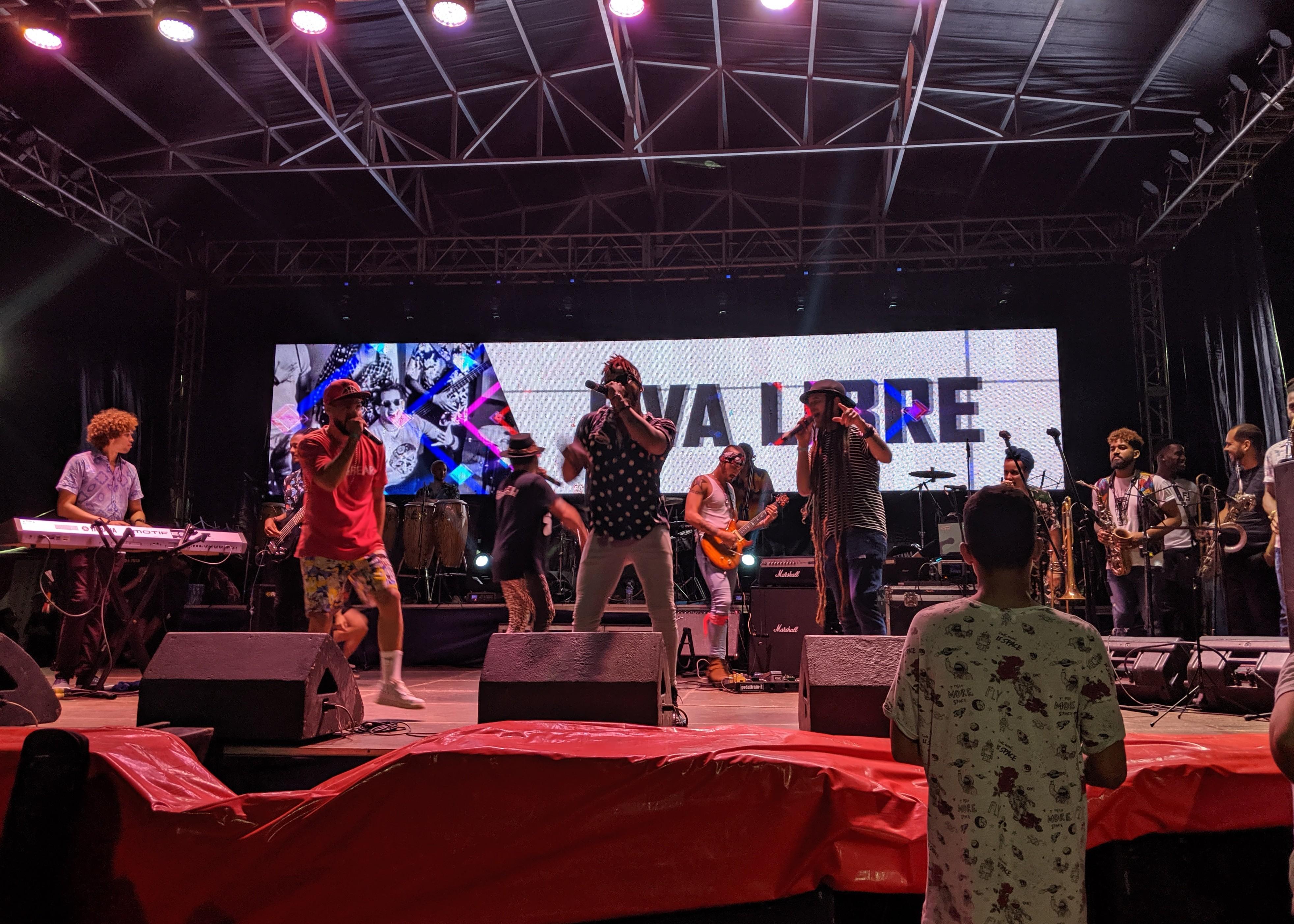
On January 1 the Triumph of the Revolution is celebrated with concerts.
New Year's Day Celebrations in Cuba
After fulfilling some of these traditions, what remains is to dance and drink rum until exhaustion. The next morning, the country wakes up with a collective hangover, but that doesn't mean the party is over. On January 1st, a federal holiday, the Triumph of the Revolution is commemorated with concerts and fairs held throughout the country.
In short, the way in which Cubans celebrate New Year's Eve is another indisputable sign of how particular, attractive and picturesque life on the island is. But it is not the same to tell it than to experience it first-hand. Hospitality is plenty. So, who's joining?
Compartilhar
Author: Alexander Hernandez
Alexander Hernandez is a native of Havana, Cuba where he studied Management and Preservation of Historical and Cultural Heritage.
Uncover more Cuba travel inspiration in our blog
If you’ve been dreaming of Cuba and want to learn more about this fascinating country before your trip, read our blog for a complete Cuban travel guide with tips and local insights.
Descubra as 9 melhores cidades cubanas para visitar: história vibrante, praias paradisíacas, música envolvente e cultura autêntica em cada esquina da ilha. Conheça os destinos turísticos mais populares em Cuba de Havana a Viñales, Trinidad e Varadero.
Siga estas instruções passo a passo para obter o código QR do programa Cuba D’Viajeros, necessário para entrar em Cuba. Preencher o formulário D’Viajeros antes de viajar é um requisito para entrar em Cuba.
Um dos aspectos mais cativantes de Cuba é sua história fascinante, que os viajantes devem estudar para melhor apreciar o país. Aqui estão cinco das figuras mais importantes e queridas da história cubana.
Valorizamos sua privacidade. Usamos cookies e tecnologias semelhantes para melhorar sua experiência e analisar o tráfego do site. Ao navegar em nosso site, você concorda com o uso de cookies.