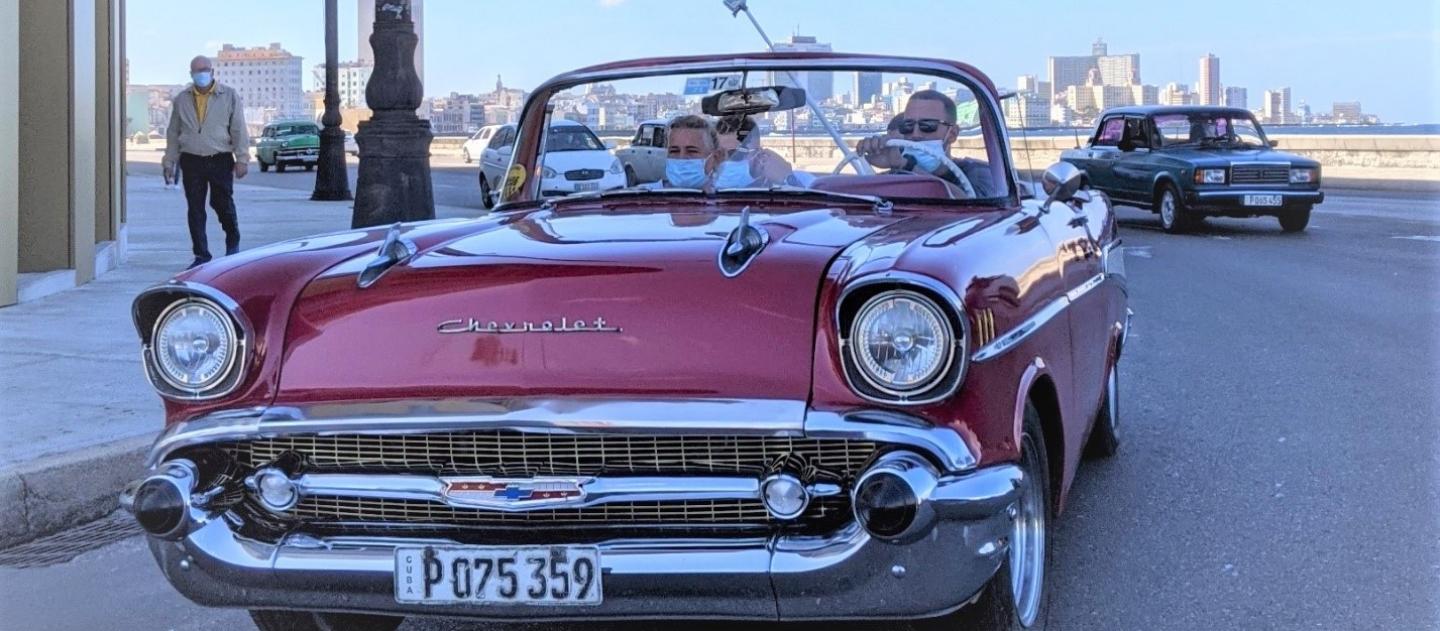
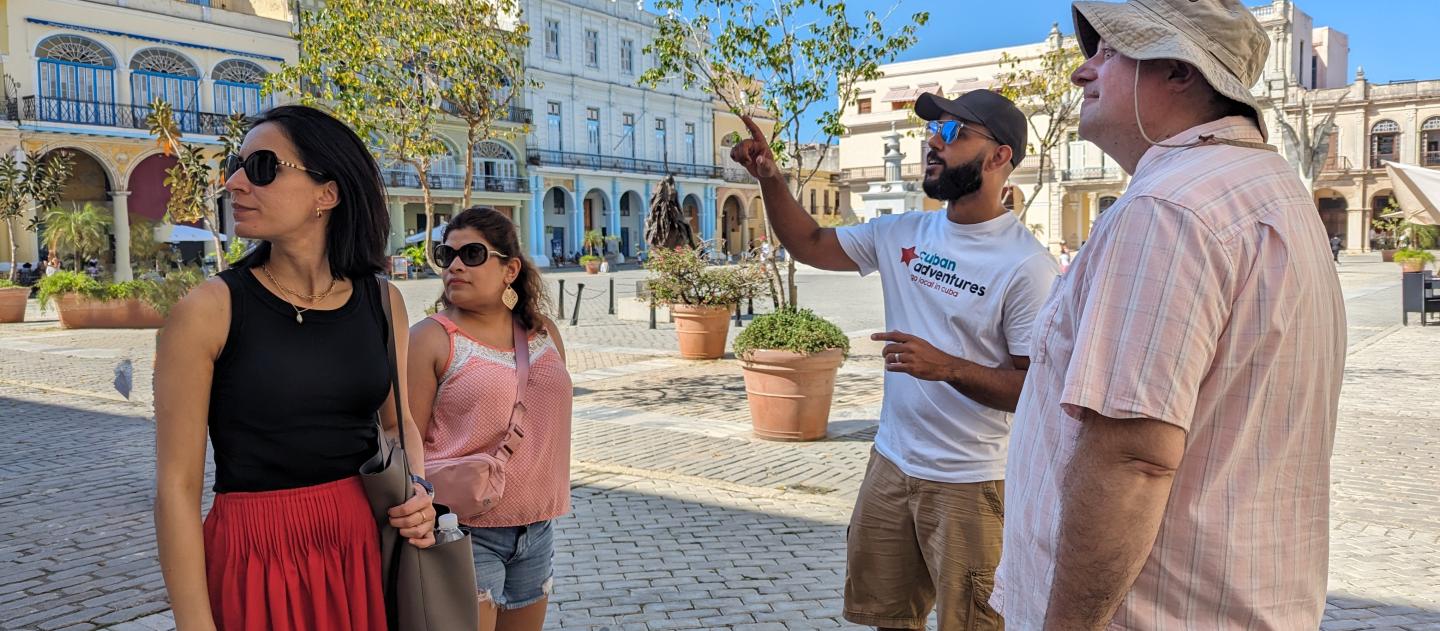
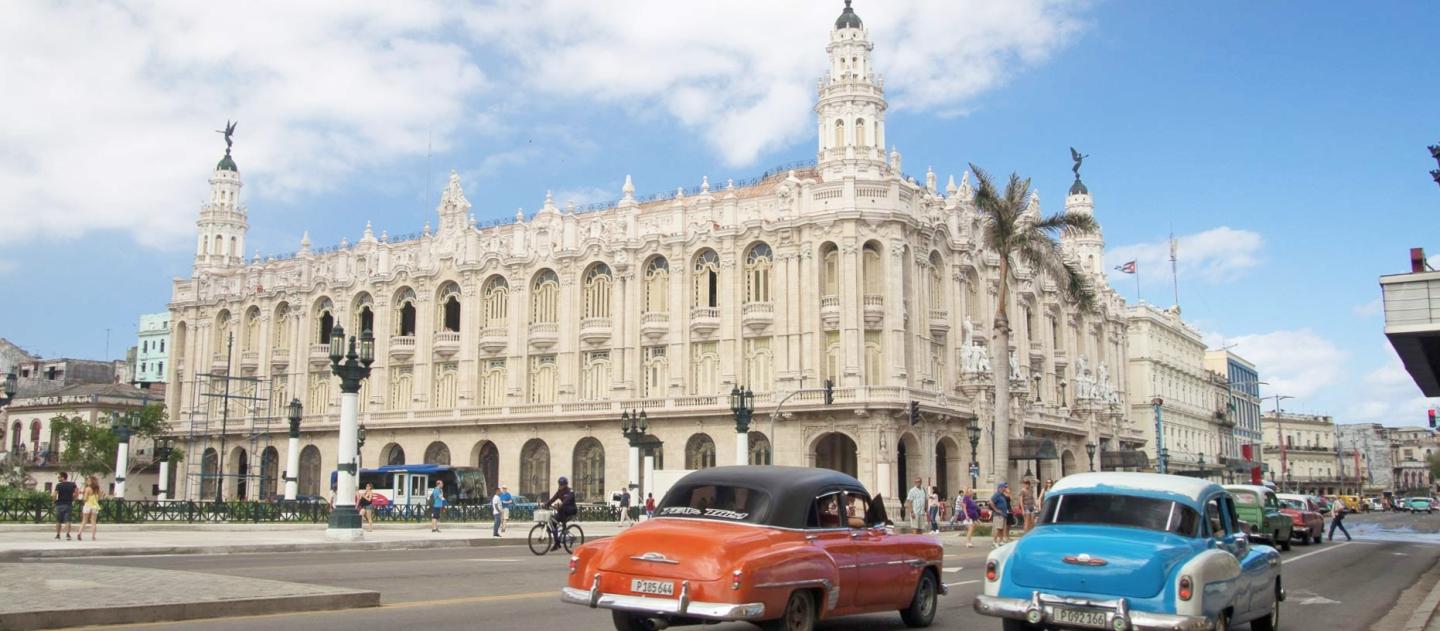
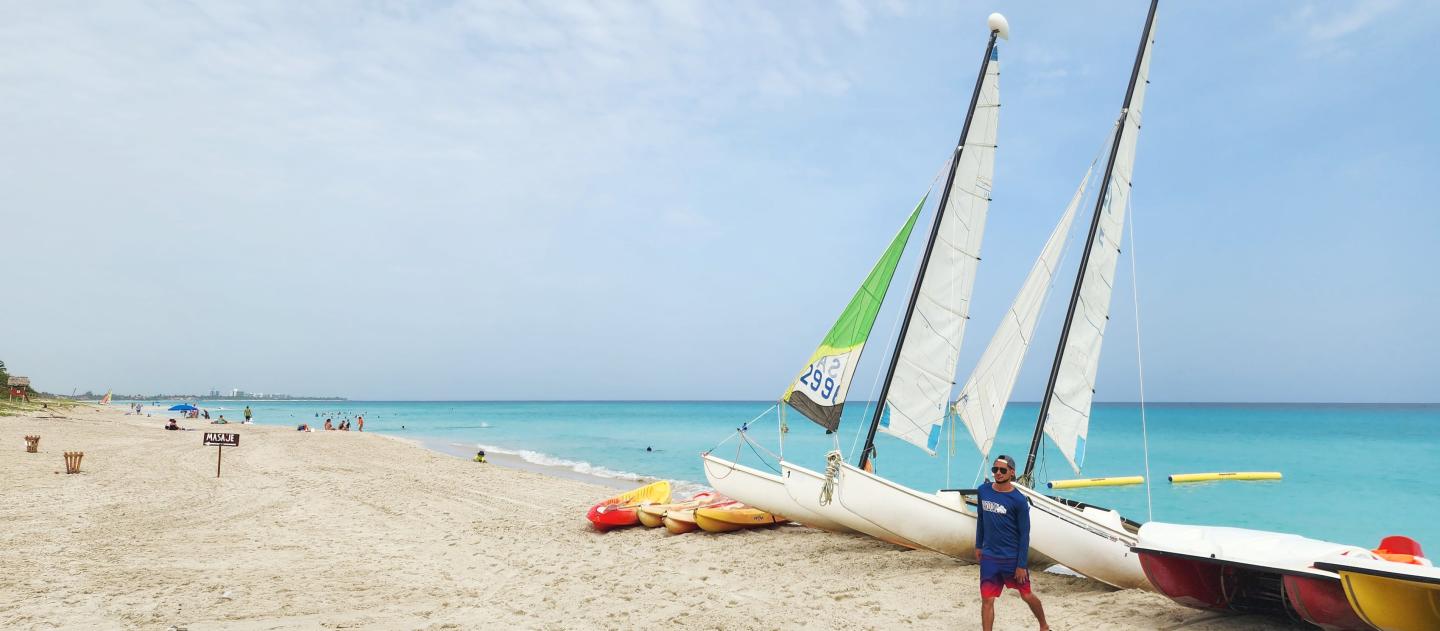
Cuba surprises first-time visitors in the best possible way. This vibrant Caribbean nation — renowned for its colonial architecture, classic cars, world-class cigars, and warm-hearted people — consistently ranks as one of the safest travel destinations in Latin America. Whether you are planning a cultural tour of Havana, a nature escape to Viñales, or a history-rich road trip across the island, knowing what to expect will help you travel with confidence.
Is Cuba Safe for Tourists?
Cuba is widely regarded as one of the safest countries in the Caribbean and Latin America for international visitors. The Cuban government places a high priority on tourist safety, and the National Revolutionary Police maintain a visible presence in tourist areas. Violent crime against tourists is extremely rare. According to travel advisories from the UK’s Foreign, Commonwealth & Development Office and the Canadian government, the vast majority of visits to Cuba are completely trouble-free.
Cuba’s low crime rates are remarkable compared to many other Caribbean and Latin American destinations. Many travel writers, seasoned backpackers, and tour operators consistently highlight Cuba as safer than cities like Mexico City or parts of other popular Caribbean islands. The absence of widespread gang activity and the government’s emphasis on protecting the tourism industry combine to create a remarkably secure environment for visitors.
Crime and Personal Safety in Cuba
While violent crime against tourists is rare, petty theft does occur in busy tourist areas. The most common incidents happen in crowded zones of Havana — particularly around Old Havana (Habana Vieja), the Malecón waterfront, and public markets — and typically involve pickpocketing or opportunistic bag-snatching. Staying aware of your surroundings and keeping valuables secure goes a long way.
One of the more common nuisances is the jinetero phenomenon: locals who persistently approach tourists to sell cigars, offer unofficial tours, or steer visitors toward restaurants where they earn a commission. While this can feel overwhelming at first, jineteros are rarely threatening, and a polite but firm “No, gracias” is usually sufficient. As Cuba continues to develop its tourism industry, this kind of street hustle has become less intense than in previous years.
Cuba is a politically stable country, though the government does not tolerate public protests. Tourists are not targeted, but it is advisable to avoid any political demonstrations and to refrain from making publicly critical political comments. Photography of military installations, police officers on duty, and some government buildings is also prohibited by law.
Keep valuables in a front pocket or a crossbody bag with a zip closure
Do not leave belongings unattended on the beach or in a parked car
Use your hotel safe for passports, extra cash, and electronics
Avoid displaying expensive jewelry, cameras, or smartphones unnecessarily
Health and Medical Safety in Cuba
Cuba has a well-developed public healthcare system and boasts one of the highest doctor-to-population ratios in the world. However, the availability of medicines and medical supplies can be inconsistent, especially outside Havana. International visitors typically have access to Clínicas Internacionales (international clinics) in major cities, which offer a higher standard of care and are accustomed to treating tourists.
Important health considerations for travelers to Cuba:
Water: Stick to bottled water throughout Cuba. Tap water quality varies by region and can cause stomach upset in visitors unaccustomed to it.
Food: Food safety at licensed restaurants and casas particulares (private homestays) is generally reliable. Exercise more caution at informal street stalls, particularly with raw salads and unpeeled fruit.
Mosquito-borne illness: Dengue fever is present in Cuba, particularly during the rainy season. Use an insect repellent containing DEET, wear long sleeves and trousers in the evenings, and choose accommodations with window screens or air conditioning.
Medications: Bring a sufficient supply of any prescription medication you need. Cuban pharmacies are often poorly stocked, and your specific medication may simply not be available on the island.
Travel insurance: Not only strongly recommended — it is required by Cuban law. Cuba mandates that all visitors carry travel insurance with health coverage upon entry. Many airlines and tour operators include this as standard, but always verify before you travel.
Hurricane Season and Natural Hazards
Cuba lies in the Atlantic hurricane belt, and the official hurricane season runs from June 1 to November 30, peaking between August and October. Cuba has been affected by significant storms over the years, including Hurricane Irma in 2017 and Hurricane Ian in 2022, both of which caused serious damage to parts of the island.
If you plan to travel during hurricane season, monitor forecasts from NOAA (National Oceanic and Atmospheric Administration) or the Cuban Institute of Meteorology in the weeks leading up to your trip. Your tour operator or hotel will advise on emergency protocols if a storm is approaching, and established operators handle any disruptions professionally.
For the most pleasant conditions, plan your visit between November and April — Cuba’s dry season, when temperatures hover between 22–27°C (72–80°F) and rainfall is minimal. This period also coincides with Cuba’s peak tourist season, so book accommodations and tours well in advance.
Are US Travel Restrictions a Safety Concern?
American citizens are not prohibited from traveling to Cuba, but there are specific rules to follow. The US Treasury Department requires that Americans travel under one of 12 authorized categories. The most widely used category for independent travelers is “Support for the Cuban People,” which requires visiting private, non-government businesses — such as privately owned casas particulares, paladares (private restaurants), and independent shops — and keeping records of these activities. Group tours through a licensed US travel provider make compliance straightforward.
From a personal safety standpoint, US travelers face no greater risk in Cuba than visitors of any other nationality. The main practical challenge is financial: US-issued credit and debit cards do not function in Cuba due to the US embargo. Americans should bring sufficient cash — Euros or Canadian dollars can be exchanged at Cuban exchange bureaus (CADECA) at favorable rates. Carry only what you need for the day and store the rest securely at your accommodation.
Transportation Safety in Cuba
Road safety is one of the most significant practical considerations in Cuba. Roads between major cities are generally in reasonable condition, but rural routes can be poorly lit, with hazards including potholes, slow-moving horse-drawn carriages, cyclists, and livestock. Driving at night outside of Havana and other major cities is not recommended.
The safest and most convenient options for getting around Cuba:
Viazul buses: The government-run intercity bus service is comfortable, air-conditioned, and reliable. It covers all major destinations including Havana, Trinidad, Viñales, and Santiago de Cuba.
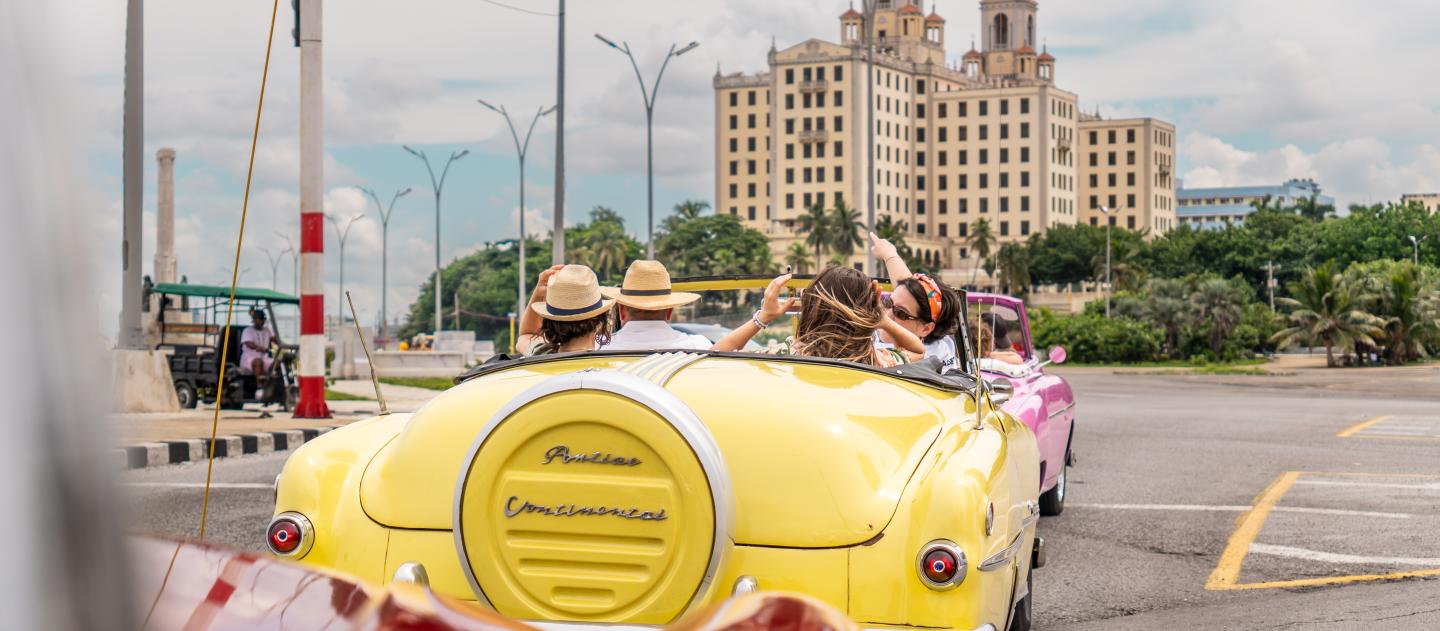
Private taxis: Classic car taxis and modern air-conditioned taxis are popular in Havana. Always agree on a fare before getting in, or use an official metered state taxi for short journeys.
Rental cars: Available from state agencies, though vehicle quality varies. Roads are manageable in the daytime, but night driving in rural areas carries increased risk.
Domestic flights: Internal flights operate between Havana and major cities. Schedules can be subject to change, so build flexibility into your itinerary.
When using taxis in Havana, always establish the fare before you get in. From José Martí International Airport to central Havana, the standard tourist taxi fare is approximately 25–30 USD. If you book through a licensed tour operator, all transfers are pre-arranged and clearly priced.
Common Scams and How to Avoid Them
As with any popular tourist destination, a handful of scams circulate in Cuba. Being aware of them is your best defence:
The “restaurant is closed” trick: A friendly local tells you that your intended restaurant has closed and offers to take you to a friend’s place instead. The alternative has inflated prices and the local earns a commission. Always verify closures directly with the restaurant before changing your plans.
Fake Cuban cigars: Street vendors sell counterfeit cigars claiming they come straight from the factory at a special price. Authentic Habanos can only be purchased from official Casas del Habano stores or certified retailers. If the deal seems too good to be true, it almost certainly is.
Street currency exchange: Never exchange money with unofficial money changers on the street. Use official CADECA exchange bureaus, your hotel, or a bank to convert currency safely and at a fair rate.
The “free gift” setup: A vendor hands you a cigar, flower, or small item “for free” and then demands payment when you try to leave. Politely decline anything handed to you unsolicited.
Inflated taxi fares: Unofficial taxis sometimes quote excessive prices to tourists. Agree on the fare before getting in, and for journeys in Havana use the official yellow metered cabs.
Top Safety Tips for Your Cuba Trip
Register your trip with your country’s embassy or consulate before departing, so your government can contact you in an emergency.
Keep a digital and physical copy of your passport, travel insurance, and flight details; store originals securely in your hotel safe.
Only carry the cash you need for the day. Leave the bulk of your funds locked at your accommodation.
Learn a few Spanish phrases — even basic greetings show respect and often result in a warmer, safer experience with locals.
Stay in licensed accommodations: official hotels or registered casas particulares. These are regulated and your details are logged with local authorities.
Avoid walking alone in poorly lit areas late at night, particularly in less-touristed neighborhoods.
Follow local laws: do not photograph military installations, police in action, or government buildings without explicit permission.
If you need assistance, look for Policía Turística (tourist police), who are present in all major tourist areas and are trained to assist visitors.
Book tours and day trips through reputable, licensed operators like Cuban Adventures rather than purchasing from strangers on the street.
FAQ: Is Cuba Safe to Visit?
Yes. Americans can travel to Cuba legally under one of 12 authorized categories established by the US Treasury Department. The most widely used for independent travelers is “Support for the Cuban People.” This requires visiting private, non-government businesses — such as privately owned casas particulares, paladares, and independent shops — and keeping a record of these activities. Group tours through a licensed US travel provider make compliance straightforward.
Central Havana and Old Havana (Habana Vieja) are generally safe to walk at night, especially in well-lit tourist areas around Plaza de Armas, the Malecón, and Obispo Street. As in any city, exercise common sense: avoid poorly lit side streets, do not display expensive items, and avoid walking alone in unfamiliar neighborhoods after dark.
It is advisable to drink bottled water throughout Cuba. While Havana’s tap water is treated, quality varies across the island and can cause stomach upset in travelers unaccustomed to it. Bottled water is widely available and inexpensive at shops and supermarkets, and most hotels and casas particulares provide it.
Cuba is considered a safe destination for solo female travelers. Verbal attention from men — known as piropo in Cuban culture — is common but generally not threatening. Ignoring it and projecting confidence is the most effective response. Staying in licensed casas particulares, hosted by local families, adds an extra layer of security. As with any destination, trust your instincts and take the same precautions you would at home.
The safest time to visit from a weather perspective is Cuba’s dry season: November through April. Temperatures are warm and pleasant (22–27°C / 72–80°F), rainfall is minimal, and there is no hurricane risk. This period also coincides with peak tourist season, so book flights and accommodation well in advance. If you travel between June and November (hurricane season), monitor weather forecasts closely and ensure your travel insurance covers trip cancellations and disruptions.
Compartilhar
Author: Cuban Adventures
Cuban Adventures is a specialist Cuba travel operator with over a decade of experience running small-group and private tours across the island. Our team of local guides and Cuba travel experts is dedicated to helping visitors experience Cuba safely, authentically, and responsibly.
Uncover more Cuba travel inspiration in our blog
If you've been dreaming of Cuba and want to learn more about this fascinating country before your trip, read our blog for a complete Cuban travel guide with tips and local insights.
Descubra as 9 melhores cidades cubanas para visitar: história vibrante, praias paradisíacas, música envolvente e cultura autêntica em cada esquina da ilha. Conheça os destinos turísticos mais populares em Cuba de Havana a Viñales, Trinidad e Varadero.
Siga estas instruções passo a passo para obter o código QR do programa Cuba D’Viajeros, necessário para entrar em Cuba. Preencher o formulário D’Viajeros antes de viajar é um requisito para entrar em Cuba.
Um dos aspectos mais cativantes de Cuba é sua história fascinante, que os viajantes devem estudar para melhor apreciar o país. Aqui estão cinco das figuras mais importantes e queridas da história cubana.
Valorizamos sua privacidade. Usamos cookies e tecnologias semelhantes para melhorar sua experiência e analisar o tráfego do site. Ao navegar em nosso site, você concorda com o uso de cookies.