Is it Safe to Travel to Cuba?
Is Cuba safe to visit? Discover Cuba's low crime rates, health tips, hurricane season advice, US travel rules, transport safety, and expert tips for a worry-free trip.

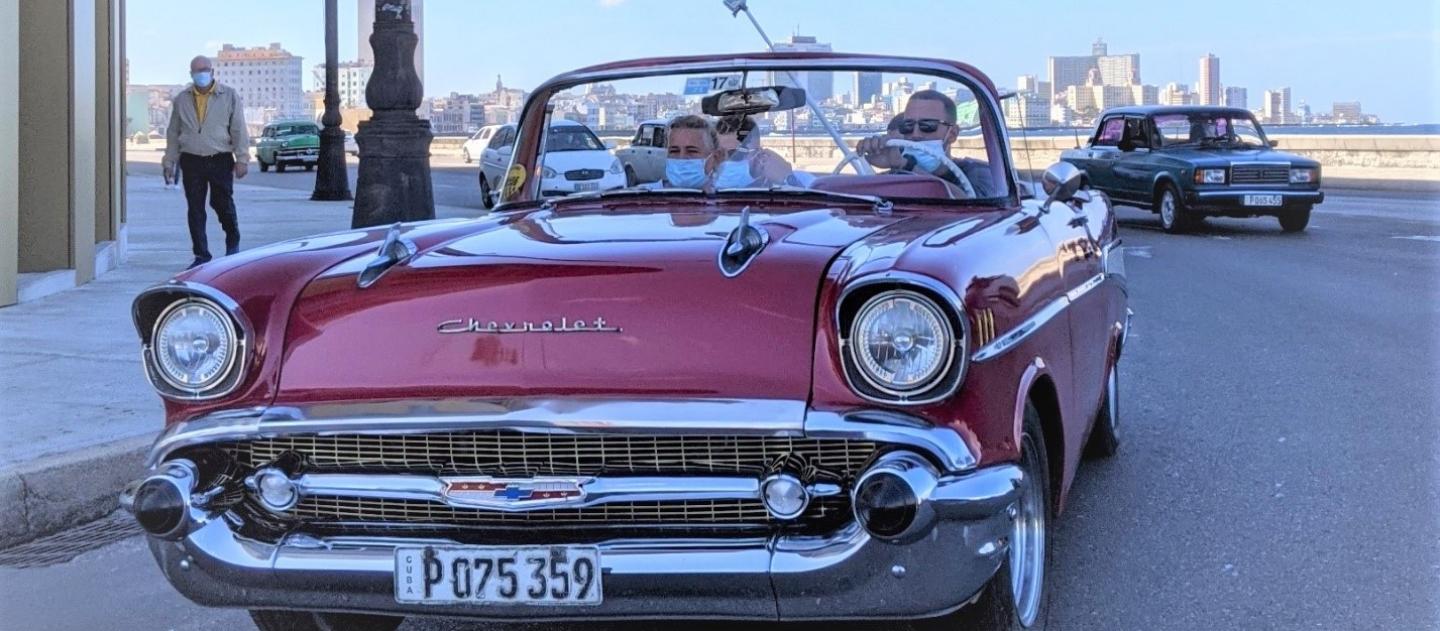
Cuba surprises first-time visitors in the best possible way. This vibrant Caribbean nation — renowned for its colonial architecture, classic cars, world-class cigars, and warm-hearted people — consistently ranks as one of the safest travel destinations in Latin America. Whether you are planning a cultural tour of Havana, a nature escape to Viñales, or a history-rich road trip across the island, knowing what to expect will help you travel with confidence.
Cuba is widely regarded as one of the safest countries in the Caribbean and Latin America for international visitors. The Cuban government places a high priority on tourist safety, and the National Revolutionary Police maintain a visible presence in tourist areas. Violent crime against tourists is extremely rare. According to travel advisories from the UK’s Foreign, Commonwealth & Development Office and the Canadian government, the vast majority of visits to Cuba are completely trouble-free.
Cuba’s low crime rates are remarkable compared to many other Caribbean and Latin American destinations. Many travel writers, seasoned backpackers, and tour operators consistently highlight Cuba as safer than cities like Mexico City or parts of other popular Caribbean islands. The absence of widespread gang activity and the government’s emphasis on protecting the tourism industry combine to create a remarkably secure environment for visitors.
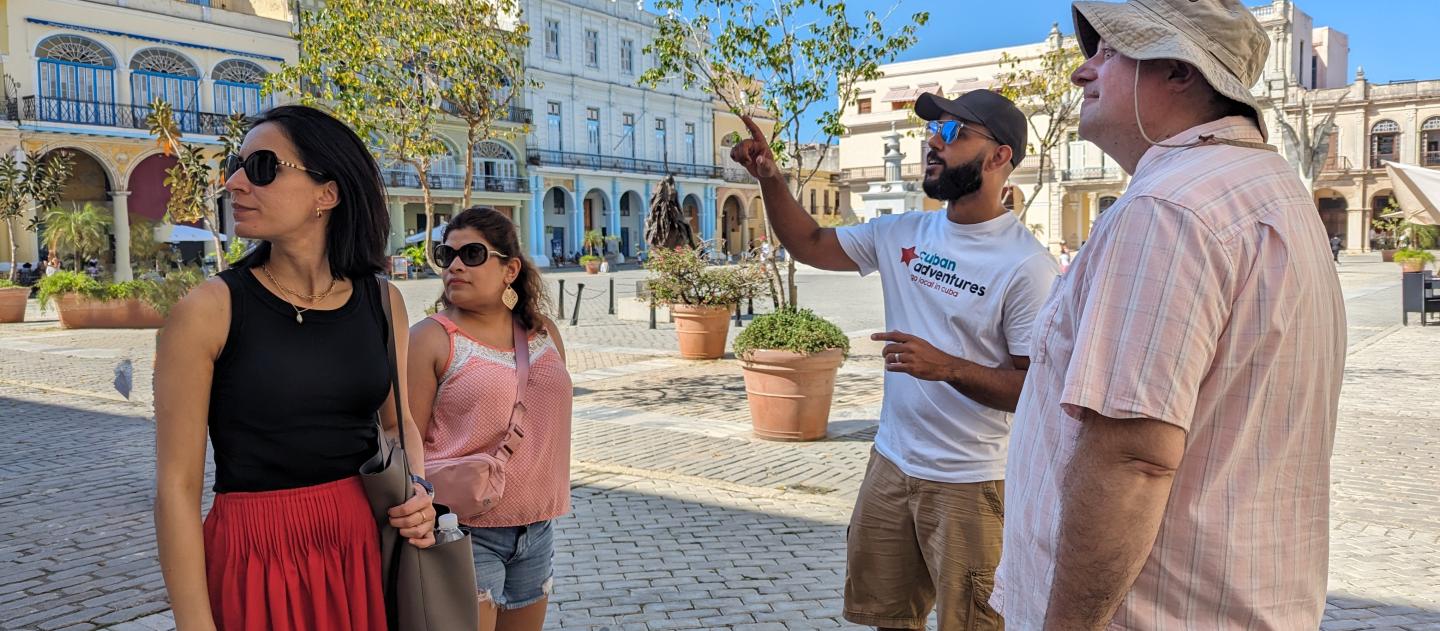
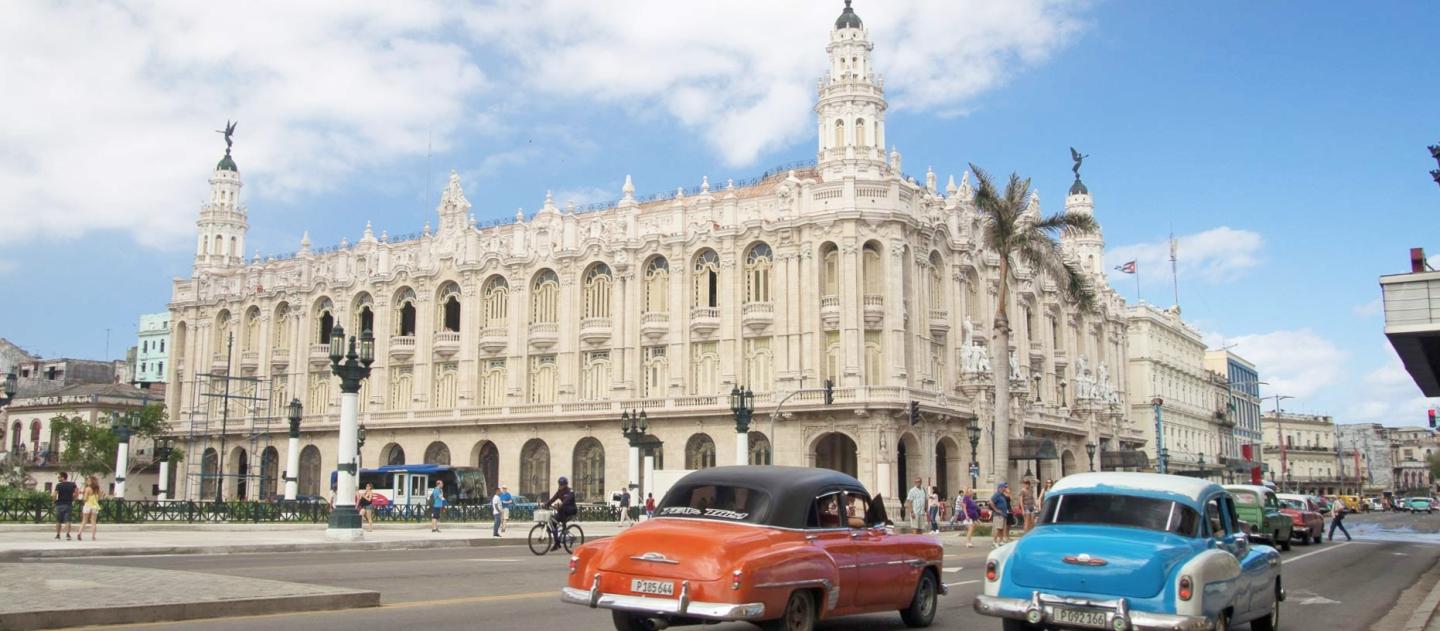
While violent crime against tourists is rare, petty theft does occur in busy tourist areas. The most common incidents happen in crowded zones of Havana — particularly around Old Havana (Habana Vieja), the Malecón waterfront, and public markets — and typically involve pickpocketing or opportunistic bag-snatching. Staying aware of your surroundings and keeping valuables secure goes a long way.
One of the more common nuisances is the jinetero phenomenon: locals who persistently approach tourists to sell cigars, offer unofficial tours, or steer visitors toward restaurants where they earn a commission. While this can feel overwhelming at first, jineteros are rarely threatening, and a polite but firm “No, gracias” is usually sufficient. As Cuba continues to develop its tourism industry, this kind of street hustle has become less intense than in previous years.
Cuba is a politically stable country, though the government does not tolerate public protests. Tourists are not targeted, but it is advisable to avoid any political demonstrations and to refrain from making publicly critical political comments. Photography of military installations, police officers on duty, and some government buildings is also prohibited by law.
Cuba has a well-developed public healthcare system and boasts one of the highest doctor-to-population ratios in the world. However, the availability of medicines and medical supplies can be inconsistent, especially outside Havana. International visitors typically have access to Clínicas Internacionales (international clinics) in major cities, which offer a higher standard of care and are accustomed to treating tourists.
Important health considerations for travelers to Cuba:
Cuba lies in the Atlantic hurricane belt, and the official hurricane season runs from June 1 to November 30, peaking between August and October. Cuba has been affected by significant storms over the years, including Hurricane Irma in 2017 and Hurricane Ian in 2022, both of which caused serious damage to parts of the island.
If you plan to travel during hurricane season, monitor forecasts from NOAA (National Oceanic and Atmospheric Administration) or the Cuban Institute of Meteorology in the weeks leading up to your trip. Your tour operator or hotel will advise on emergency protocols if a storm is approaching, and established operators handle any disruptions professionally.
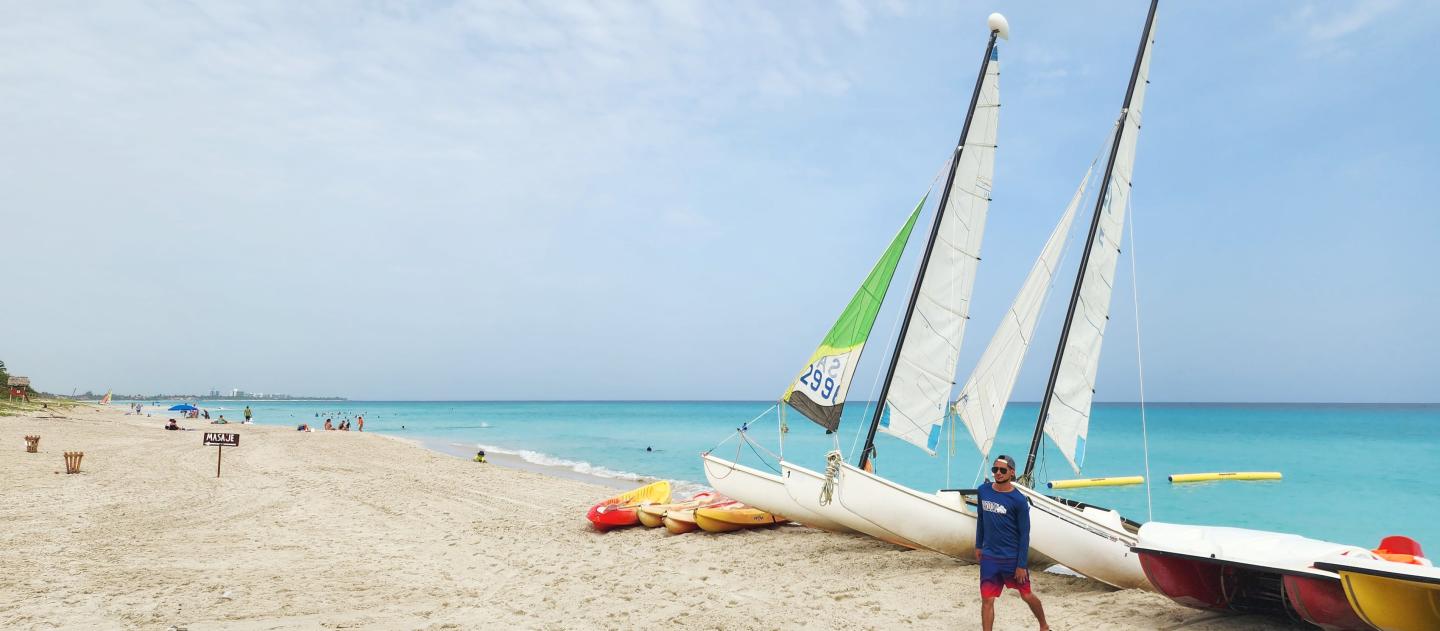
For the most pleasant conditions, plan your visit between November and April — Cuba’s dry season, when temperatures hover between 22–27°C (72–80°F) and rainfall is minimal. This period also coincides with Cuba’s peak tourist season, so book accommodations and tours well in advance.
American citizens are not prohibited from traveling to Cuba, but there are specific rules to follow. The US Treasury Department requires that Americans travel under one of 12 authorized categories. The most widely used category for independent travelers is “Support for the Cuban People,” which requires visiting private, non-government businesses — such as privately owned casas particulares, paladares (private restaurants), and independent shops — and keeping records of these activities. Group tours through a licensed US travel provider make compliance straightforward.
From a personal safety standpoint, US travelers face no greater risk in Cuba than visitors of any other nationality. The main practical challenge is financial: US-issued credit and debit cards do not function in Cuba due to the US embargo. Americans should bring sufficient cash — Euros or Canadian dollars can be exchanged at Cuban exchange bureaus (CADECA) at favorable rates. Carry only what you need for the day and store the rest securely at your accommodation.
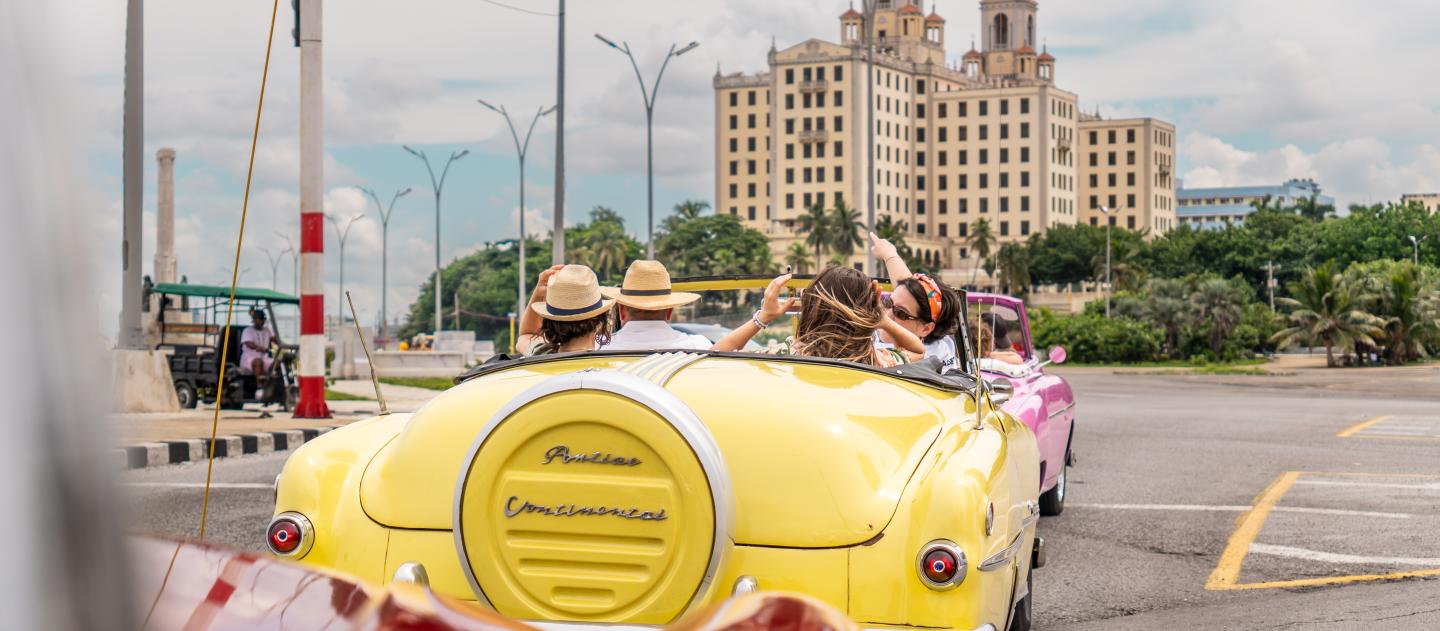
Road safety is one of the most significant practical considerations in Cuba. Roads between major cities are generally in reasonable condition, but rural routes can be poorly lit, with hazards including potholes, slow-moving horse-drawn carriages, cyclists, and livestock. Driving at night outside of Havana and other major cities is not recommended.
The safest and most convenient options for getting around Cuba:
When using taxis in Havana, always establish the fare before you get in. From José Martí International Airport to central Havana, the standard tourist taxi fare is approximately 25–30 USD. If you book through a licensed tour operator, all transfers are pre-arranged and clearly priced.
As with any popular tourist destination, a handful of scams circulate in Cuba. Being aware of them is your best defence:
Yes. Americans can travel to Cuba legally under one of 12 authorized categories established by the US Treasury Department. The most widely used for independent travelers is “Support for the Cuban People.” This requires visiting private, non-government businesses — such as privately owned casas particulares, paladares, and independent shops — and keeping a record of these activities. Group tours through a licensed US travel provider make compliance straightforward.
Central Havana and Old Havana (Habana Vieja) are generally safe to walk at night, especially in well-lit tourist areas around Plaza de Armas, the Malecón, and Obispo Street. As in any city, exercise common sense: avoid poorly lit side streets, do not display expensive items, and avoid walking alone in unfamiliar neighborhoods after dark.
It is advisable to drink bottled water throughout Cuba. While Havana’s tap water is treated, quality varies across the island and can cause stomach upset in travelers unaccustomed to it. Bottled water is widely available and inexpensive at shops and supermarkets, and most hotels and casas particulares provide it.
Cuba is considered a safe destination for solo female travelers. Verbal attention from men — known as piropo in Cuban culture — is common but generally not threatening. Ignoring it and projecting confidence is the most effective response. Staying in licensed casas particulares, hosted by local families, adds an extra layer of security. As with any destination, trust your instincts and take the same precautions you would at home.
The safest time to visit from a weather perspective is Cuba’s dry season: November through April. Temperatures are warm and pleasant (22–27°C / 72–80°F), rainfall is minimal, and there is no hurricane risk. This period also coincides with peak tourist season, so book flights and accommodation well in advance. If you travel between June and November (hurricane season), monitor weather forecasts closely and ensure your travel insurance covers trip cancellations and disruptions.
Author: Cuban Adventures
Cuban Adventures is a specialist Cuba travel operator with over a decade of experience running small-group and private tours across the island. Our team of local guides and Cuba travel experts is dedicated to helping visitors experience Cuba safely, authentically, and responsibly.
If you've been dreaming of Cuba and want to learn more about this fascinating country before your trip, read our blog for a complete Cuban travel guide with tips and local insights.
Is Cuba safe to visit? Discover Cuba's low crime rates, health tips, hurricane season advice, US travel rules, transport safety, and expert tips for a worry-free trip.
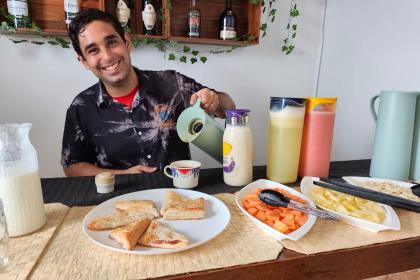
Enjoy a genuine Cuban lifestyle experience when staying in Casas Particulares in Cuba. Find out more about this locally-owned accommodation in Cuba.

Planning for your first time in Cuba? Find out all you need to know about Cuban hospitality, internet access, tipping and how to get comfortable in Cuba.